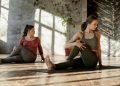

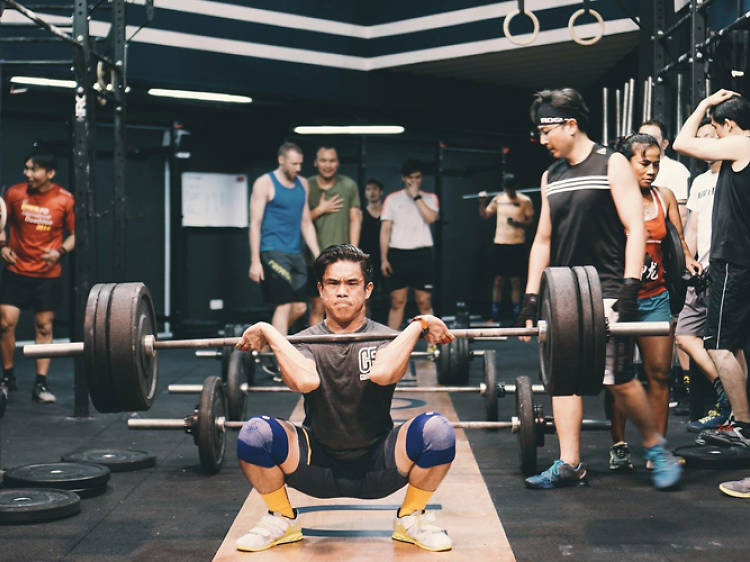
In recent years, the fitness scene in Singapore has undergone a remarkable transformation. While traditional mega gyms continue to serve their loyal clientele, a new breed of fitness spaces has quietly carved out a significant share of the market. The rise of boutique gyms has redefined how Singaporeans approach exercise, offering highly specialised services, tailored experiences, and a strong sense of community. Today, when searching for a gym Singapore, many fitness enthusiasts are looking beyond massive facilities and turning towards these smaller, more personalised environments.
Understanding the Boutique Gym Phenomenon
Boutique gyms are distinguished by their focused fitness offerings, intimate settings, and strong brand identities. Unlike conventional fitness centres that try to cater to every exercise need under one roof, boutique gyms tend to specialise in specific training modalities such as high-intensity interval training (HIIT), yoga, strength conditioning, or indoor cycling.
In Singapore, where busy lifestyles and high expectations for service quality prevail, boutique gyms fit seamlessly into the urban fabric. Fitness-goers appreciate the laser focus these gyms provide, ensuring that each session is purposeful and aligned with personal goals. Moreover, the compact size of these gyms often results in smaller class sizes, fostering a more community-driven and motivational atmosphere.
Why Boutique Gyms Appeal to Singaporeans
Several factors explain why boutique fitness studios have gained such popularity in the local context.
Personalised Attention
One of the biggest draws of boutique gyms is the level of individualised attention clients receive. With smaller class sizes and fewer distractions, trainers can focus on correcting techniques, offering modifications, and keeping participants motivated. This tailored approach is especially attractive in Singapore, where precision and performance are highly valued.
Whether someone is new to strength training or an experienced athlete looking to refine their form, boutique gyms offer an environment where their specific needs are recognised and addressed.
Sense of Community
Singaporeans often face demanding work schedules and a fast-paced lifestyle, making genuine social connections a valuable commodity. Boutique gyms nurture tight-knit communities where clients quickly become familiar with both trainers and fellow members. This environment fosters accountability, camaraderie, and a sense of belonging, all of which contribute to long-term fitness success.
It is not unusual to see group chats formed amongst boutique gym members, social events organised outside the studio, or strong online communities developing around these fitness spaces.
Higher Quality Facilities and Equipment
Smaller gym operations often mean greater control over the quality and maintenance of equipment. Boutique gyms tend to invest heavily in top-tier fitness machines, free weights, and flooring to ensure safety and maximise workout efficiency.
Moreover, many boutique gyms in Singapore prioritise aesthetics, creating workout spaces that are not only functional but also visually appealing. From mood lighting to designer interiors, the overall experience is crafted to enhance motivation and comfort.
Flexibility and Unique Class Offerings
Another hallmark of boutique fitness studios is their adaptability. Unlike larger commercial gyms that must manage sprawling facilities and rigid schedules, boutique gyms can quickly adapt to fitness trends or member feedback.
It is common to find niche programmes such as aerial yoga, barre fusion, calisthenics workshops, or hybrid cardio-strength sessions offered in boutique setups. These diverse class options cater to Singaporeans’ desire for variety and innovation in their fitness routines.
Challenges Boutique Gyms Are Overcoming
Despite their advantages, boutique gyms in Singapore do face challenges. Rental costs in prime areas remain high, and competition is fierce. Nevertheless, many boutique gyms have creatively adapted by operating in co-working spaces, offering pop-up classes in parks, or embracing hybrid models combining in-person and virtual classes.
Another challenge is consumer price sensitivity. Boutique gyms typically charge higher fees per session compared to traditional gyms. However, many Singaporeans perceive the added value through smaller classes, higher-quality coaching, and a more fulfilling overall experience.
The increasing availability of flexible membership options, such as class packages or no-contract memberships, also helps mitigate concerns about affordability.
Boutique Gym Trends in Singapore to Watch
As the boutique fitness sector matures in Singapore, several key trends are shaping its future trajectory:
- Hybrid Fitness Models: Boutique gyms are integrating digital offerings such as on-demand classes, livestreamed sessions, and mobile app support. This flexibility caters to Singaporeans who want the choice between studio and home workouts.
- Specialised Wellness Programs: Beyond fitness, boutique gyms are increasingly offering holistic wellness services, including nutritional coaching, physiotherapy collaborations, and mindfulness classes.
- Sustainability Initiatives: With Singapore’s Green Plan 2030 gaining momentum, eco-conscious boutique gyms are gaining favour, adopting measures like eco-friendly equipment, energy-efficient designs, and waste reduction initiatives.
- Customised Fitness Experiences: Some boutique gyms are personalising the entire client journey, from onboarding fitness assessments to goal-tracking apps and tailored programme design.
These trends show that boutique gyms are not a temporary fad but a solid and evolving segment within Singapore’s fitness ecosystem.
Choosing the Right Boutique Gym in Singapore
When looking for a boutique gym Singapore, it’s important to evaluate more than just the price tag or location. Here are key considerations:
- Training Focus: Ensure the gym’s speciality aligns with your fitness goals, whether it’s strength training, endurance, flexibility, or mind-body wellness.
- Trainer Expertise: Check trainer qualifications and experience. Good boutique gyms often invest heavily in upskilling their coaches.
- Community Vibe: Visit the studio, attend a trial class, and gauge whether the community and atmosphere feel motivating and supportive.
- Facilities and Cleanliness: Look for well-maintained equipment and hygiene standards, which are particularly important in Singapore’s humid climate.
- Contract Flexibility: Read the terms carefully; many boutique gyms offer class packs instead of long-term contracts for greater flexibility.
Among the premium fitness options available, TFX has emerged as a notable name offering a blend of luxury, innovation, and specialised training options tailored for Singapore’s discerning fitness crowd. Their focus on integrated wellness and future-forward gym experiences sets a new benchmark in the market.
Conclusion: A New Era of Fitness for Singapore
The boutique gym movement in Singapore is not just a passing trend—it reflects deeper societal shifts. Singaporeans today are seeking quality, community, and meaning in their fitness journeys, rather than merely checking off a workout.
As boutique gyms continue to innovate, personalise, and elevate the fitness experience, they will likely play a central role in shaping Singapore’s wellness culture for years to come. Whether you’re chasing a personal best, building strength, or finding your tribe, the right boutique gym can be the catalyst for achieving your goals in today’s dynamic Singaporean landscape.