

The human cardiovascular system functions as a highly intricate delivery network, constantly pumping blood to transport oxygen, vital nutrients, and systemic hormones to every living cell while removing metabolic waste products. In an increasingly sedentary world, poor blood circulation and high blood pressure have become major contributors to global health decline. When physical movement is restricted, blood vessels lose their natural compliance, the heart muscle must work significantly harder to pump fluid, and metabolic cellular debris begins to accumulate in peripheral tissues.
While high-intensity cardiovascular conditioning like running or cycling is widely recognized for its heart health benefits, modern exercise science increasingly validates the unique therapeutic power of mind-body practices. Yoga stands out as a highly effective, low-impact intervention that systematically enhances blood circulation and supports long-term cardiovascular well-being. By combining isometric muscular contractions, inversion postures, controlled breathing techniques, and conscious relaxation, yoga modifies human biology, improves vascular dynamics, and alleviates the burden placed upon the heart muscle.
The Mechanical Forces of Asanas on Blood Flow
The physical postures of yoga, known as asanas, introduce unique mechanical forces that actively assist the heart in moving blood throughout the body. Unlike traditional aerobic exercises that rely purely on rapid cardiac acceleration to push blood forward, yoga utilizes targeted body positioning and structural compression to optimize fluid dynamics.
The Muscle Pump and Sequential Compression
When you hold a yoga posture, specific muscle groups undergo sustained isometric contractions, meaning they tense deeply without changing length. This sustained tension compresses the deep veins running through the skeletal muscles, forcing pooled blood out of the limbs and back toward the central thoracic cavity.
As you transition out of a challenging pose, this compression is suddenly released, creating a biological flushing effect. Fresh, highly oxygenated arterial blood rushes into the newly relaxed tissues, delivering a surge of nutrients and accelerating cellular recovery. Practicing a sequential series of postures creates a rhythmic compression and release cycle that serves as an external mechanical pump for the entire circulatory network.
Inversions and Venous Return Enhancement
Gravity presents a constant challenge to the human circulatory system. Because humans spend the vast majority of their waking hours standing or sitting upright, blood naturally tends to pool in the lower extremities, particularly in the deep veins of the calves and ankles. The heart must work against gravity to pull this blood back up from the feet.
Yoga addresses this gravitational challenge through inversions, which are postures that elevate the lower body above the level of the heart. Postures such as legs up the wall, downward-facing dog, or a supported shoulder stand immediately reverse the hydrostatic pressure within the vascular tree. This inversion allows pooled venous blood from the legs and abdominal organs to glide effortlessly back toward the heart, maximizing stroke volume and allowing the cardiac muscle to fill completely with minimal physical exertion.
Enhancing Endothelial Health and Nitric Oxide Release
The long-term health of the cardiovascular system depends heavily on the condition of the endothelium, the delicate, single-layer of cells lining the entire interior surface of your blood vessels. A healthy endothelium maintains systemic blood pressure by producing nitric oxide, a critical gas molecule that signals the smooth muscle walls of the arteries to relax, widen, and dilate.
When individuals undergo chronic psychological stress or maintain a completely sedentary lifestyle, endothelial function degrades. The blood vessels lose their ability to produce sufficient nitric oxide, resulting in chronic vascular stiffening and systemic hypertension.
Yoga counters this destructive process through the generation of gentle shear stress. As you twist, stretch, and bend during a practice, blood flows at varying speeds and pressures across the endothelial lining. This dynamic movement stimulates the endothelial cells to accelerate their natural synthesis of nitric oxide. The resulting vasodilation lowers peripheral resistance, meaning blood can glide smoothly through the arterial highways with significantly less friction, naturally bringing down both systolic and diastolic blood pressure.
Autonomic Regulation and Heart Rate Variability
Beyond the mechanical stretching of physical tissues, yoga exerts a profound regulatory influence on the human autonomic nervous system, which directly governs cardiac behavior. Everyday stressors routinely trigger the sympathetic nervous system, causing a cascade of adrenaline and cortisol that spikes your heart rate, constricts blood vessels, and places the cardiovascular system in an ongoing state of emergency.
Yoga acts as a conscious brake for this hyperactive sympathetic alarm. The deep, controlled diaphragmatic breathing that accompanies the physical practice activates the vagus nerve, the primary highway of the parasympathetic nervous system. Parasympathetic activation triggers the relaxation response, which slows the resting heart rate, dilates peripheral blood vessels, and reduces the circulating levels of damaging stress hormones.
Furthermore, consistent yoga practice has been shown to improve heart rate variability, which is the specific time variation between consecutive heartbeats. A high heart rate variability indicates a resilient, adaptable nervous system that can transition seamlessly between stress and rest. Individuals with high variability possess a significant buffer against sudden cardiac events and display superior cardiovascular resilience over their lifespan.
Lymphatic Circulation and Systemic Detoxification
The circulatory system does not operate in total isolation; it works in close tandem with the lymphatic system to maintain fluid balance and protect the body from illness. The lymphatic system gathers excess fluid, cellular debris, and metabolic waste from the interstitial spaces between cells, filtering it through specialized lymph nodes before returning the purified fluid back into the main bloodstream.
Unlike the cardiovascular system, which possesses the heart as a centralized pump, the lymphatic network has no internal motor. It relies entirely on gravity, deep respiratory pressure changes, and external skeletal muscle contractions to move lymph fluid along its pathways.
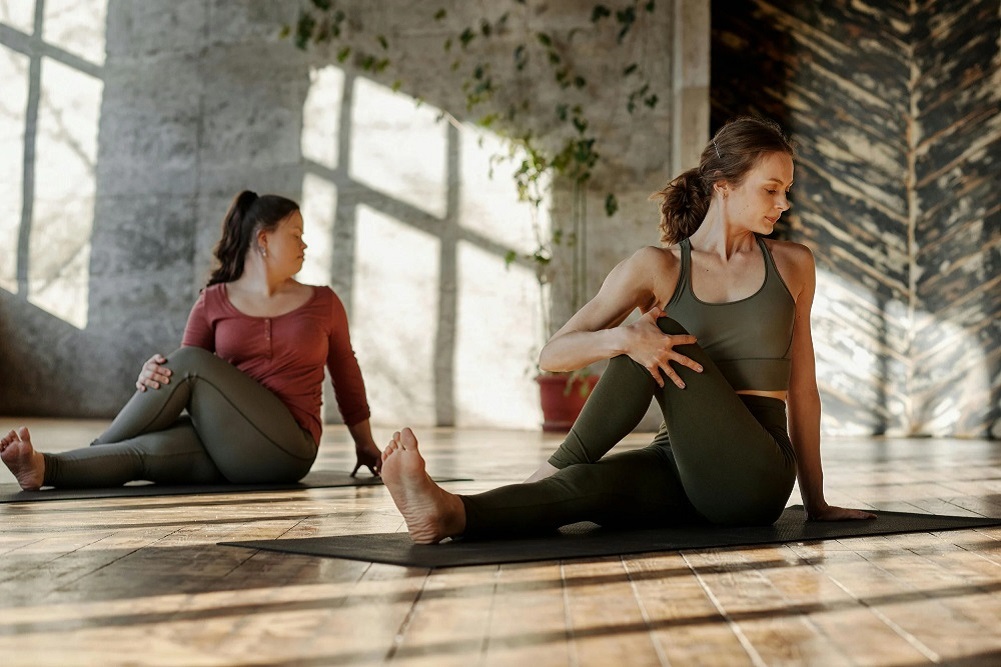
Yoga provides the exact combination of physical triggers needed to keep the lymphatic system functioning optimally. The deep twists of a yoga practice compress the internal abdominal organs, wringing out stagnant fluids. When the twist is unraveled, fresh lymphatic fluid washes through the tissues. By accelerating lymphatic drainage, yoga ensures that metabolic waste is cleared efficiently from the body, preventing local fluid retention and reducing the systemic inflammatory workload placed upon the blood vessels.
Establishing a Mindful Heart Health Practice
To achieve substantial circulatory benefits from yoga, an individual does not need to master complex, acrobatic postures. The keys to success are consistency, conscious breath integration, and the selection of an appropriate style that matches your current physical capacity.
Gentle Hatha, restorative yoga, and structured Vinyasa flows provide an exceptional balance of muscular engagement and nervous system down-regulation. Dedicating twenty to thirty minutes daily to a mindful practice creates a compounding health benefit. Over time, this commitment alters your vascular biology, preserves the youthful elasticity of your arteries, and ensures that your heart remains a strong, efficient pump capable of supporting a vibrant and active life.
Frequently Asked Questions
How does the specific practice of alternate nostril breathing alter cardiovascular parameters during times of acute anxiety?
Alternate nostril breathing, known traditionally as Nadi Shodhana, directly modulates the autonomic nervous system by altering hemispheric brain dominance. Inhaling specifically through the left nostril stimulates the right hemisphere of the brain, which triggers the parasympathetic nervous system and down-regulates cardiac acceleration. This focused breath pattern lowers the heart rate, reduces systemic blood pressure, and calms vascular tension within minutes, making it an effective tool for managing stress-induced heart palpitations.
Why does holding a static yoga posture require a different type of cardiovascular work than running on a treadmill?
Running is a dynamic, isotonic exercise where muscles continuously lengthen and shorten, requiring the heart to significantly increase its rate to pump large volumes of blood to moving limbs. Holding a static yoga posture is an isometric exercise, where muscles contract against a fixed resistance without moving the joint. This creates localized pressure within the muscle tissue that briefly restricts local blood flow, forcing the heart to increase stroke volume and pump harder against resistance rather than just beating faster, which builds unique cardiovascular strength.
How do twisting yoga postures directly benefit the health and filtration capacity of the human kidneys?
Twisting postures create a temporary intra-abdominal compression that gently restricts arterial blood flow to the visceral organs, including the kidneys. Upon releasing the twist, a physiological phenomenon known as reactive hyperemia occurs, where a sudden, high-pressure surge of fresh, oxygenated blood floods back into the renal arteries. This rapid reperfusion delivers a rich supply of oxygen and nutrients, flushes out cellular metabolic waste, and supports the overall structural filtration efficiency of the kidneys.
What is the mechanical role of the diaphragm during deep yoga breathing in moving venous blood from the lower abdomen?
The diaphragm is a large, dome-shaped muscle separating the thoracic cavity from the abdominal cavity. During deep yoga inhalations, the diaphragm contracts and flattens downward into the abdomen, creating a negative pressure environment inside the chest and increasing pressure in the abdominal cavity. This pressure differential acts as a powerful suction mechanism, pulling venous blood out of the large abdominal veins and drawing it upward toward the heart, significantly enhancing overall venous return.
Can individuals with advanced endothelial dysfunction safely participate in hot yoga environments?
Individuals with diagnosed advanced endothelial dysfunction or severe cardiovascular disease should approach hot yoga environments with extreme caution and seek medical clearance first. The high ambient temperatures of hot yoga demand massive, immediate vasodilation to cool the body, forcing the heart rate to spike significantly to maintain blood pressure. If the endothelial cells are structurally damaged and unable to synthesize nitric oxide efficiently, the blood vessels may struggle to adapt to this thermal stress, increasing the risk of dizziness, fainting, or cardiac strain.
How does the deep relaxation state achieved during Savasana alter the overall viscosity of human blood?
During Savasana, or corpse pose, the body enters a profound parasympathetic state, which dramatically curtails the secretion of stress hormones like adrenaline. Adrenaline naturally triggers blood platelets to become sticky and prepares the body for clotting in anticipation of physical injury. By eliminating these circulating stress chemicals, Savasana reduces platelet aggregation and lowers systemic vascular tone, allowing the blood to flow more smoothly and with less thickness through the microscopic capillary networks.
Why are props like blocks and bolsters considered essential for maximizing the cardiovascular benefits of restorative yoga?
Restorative yoga aims to induce a complete shift into the parasympathetic nervous system without triggering any muscular tension or physical strain. When the body is fully supported by blocks, bolsters, or blankets, the stretch receptors in the muscles and tendons signal the central nervous system that the body is completely safe. This total absence of muscular resistance allows the physical heart to drop its pumping pressure entirely, maximizing the dilation of the arterial walls and ensuring deep, restorative blood flow to the vital organs.