

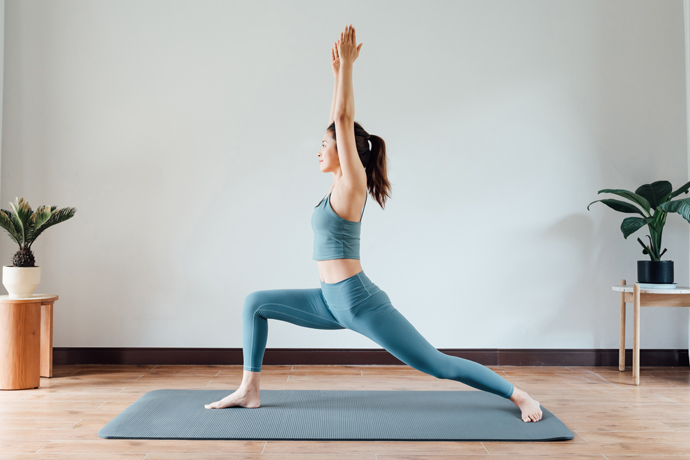
The way people view yoga Singapore has changed significantly. What was once seen by many as a fitness class or flexibility practice is now becoming part of broader lifestyle infrastructure. People are using yoga to support stress management, mobility, recovery, community, sleep and overall health maintenance. This shift reflects the realities of urban living. Singapore’s pace can be demanding, and people are looking for routines that help them stay functional, calm and consistent. Yoga fits this need because it combines movement, breath and awareness in a way that can be adapted across different life stages.
From occasional class to regular maintenance
In the past, some people treated yoga as an occasional wellness activity. They attended when they felt stressed, stiff or curious. Today, more people are recognising that yoga works best as regular maintenance. This does not mean everyone needs to practise daily. It means yoga becomes part of the weekly structure, like sleep routines, meals, work planning or exercise. When practised consistently, it can support the body before discomfort or burnout becomes serious.
Why urban lifestyles need movement variety
Modern city routines often limit natural movement. Many people sit for long hours, work on screens, commute, use lifts and spend leisure time on devices. Even those who exercise may still repeat the same movement patterns daily. Yoga introduces variety. It asks the body to fold, extend, twist, balance, stabilise and breathe. This variety can help counter the effects of repetitive sitting and stress-related tension. It also supports better body awareness, which can influence posture and movement outside class.
Stress management as a core reason for practice
Stress is one of the biggest reasons people turn to yoga. However, the appeal is no longer just relaxation. People want practical tools they can use in daily life. Breath awareness, controlled movement and mindful attention can help the nervous system settle. A person who practises regularly may become more aware of stress signals. They may notice shallow breathing, shoulder tension or a racing mind earlier. This awareness allows them to respond before stress builds further.
Everyday stress signals yoga can help people notice
Common signs include:
- Tight jaw or raised shoulders
- Short breathing during work
- Restless sleep
- Lower back stiffness
- Difficulty slowing down after work
- Emotional reactivity during pressure
Yoga does not remove all stress, but it can improve the way people respond to it.
Recovery is becoming a serious health priority
High performance lifestyles often celebrate effort, but recovery is just as important. Without recovery, the body becomes tired and the mind becomes less clear. Yoga supports recovery by combining gentle movement, stretching, breath and rest. This makes it useful for office workers, parents, athletes, business owners and anyone managing demanding routines. Recovery-focused yoga can help people continue with their responsibilities without constantly feeling depleted.
The role of community in lifestyle habits
Yoga also provides a form of community that suits modern urban life. It does not have to be loud or socially intense. Simply practising alongside others can create a sense of shared intention. This kind of community supports consistency. People are more likely to return when a studio feels familiar, respectful and aligned with their values. The practice becomes part of their identity and routine.
Personalisation through class variety
Yoga’s evolution into lifestyle infrastructure is partly due to class variety. People can choose classes based on mood, energy and goals. Some may want strength. Others may need rest. Some may focus on mobility, breath or alignment. This flexibility makes yoga easier to sustain. It can serve different needs across different weeks. A person does not need to abandon the practice when life changes. They can adjust the type of class they attend.
Why studios matter in this shift
While home practice is useful, studios play an important role in making yoga sustainable. They provide structure, guidance and an environment designed for focus. A studio class also protects time from daily distractions. This is where a brand such as Yoga Edition can contribute to the lifestyle value of yoga. By offering a dedicated practice environment, it helps students treat yoga as a regular part of wellbeing rather than an occasional activity.
Health beyond visible fitness
Yoga’s place in Singapore is becoming broader because people are redefining health. Health is not only about appearance or athletic performance. It includes mobility, energy, sleep, emotional regulation, posture, recovery and mental clarity. Yoga touches many of these areas. It may not replace other forms of fitness, but it complements them well. It helps people understand the body from the inside, not only measure it from the outside.
A practical part of city living
As Singapore continues to move quickly, people need routines that help them stay grounded. Yoga offers a practical answer because it can be adapted to different schedules and needs. It can be active, restorative, technical or meditative. This adaptability is why yoga is moving beyond trend status. It is becoming part of how people build sustainable urban lives. When movement, breath and awareness become regular practices, yoga becomes more than a class. It becomes lifestyle infrastructure.