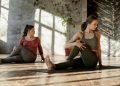


In Singapore, a nation known for its bustling work culture and high digital connectivity, long hours spent at desks or working remotely have become the norm. But while our economy and technology move ahead rapidly, our bodies often pay the price—poor posture, chronic neck pain, and weakened core muscles are increasingly common. That’s where the rising popularity of pilates Singapore comes in. This form of low-impact, full-body movement not only strengthens the core but also addresses the damage done by a sedentary lifestyle.
Whether you’re seated at Raffles Place or logging hours from a café in Tanjong Pagar, the demands of modern work life are physically taxing in subtle ways. The good news? Pilates offers a smart, sustainable solution for posture correction and overall wellness.
Understanding the Posture Problem in Singapore
It’s no surprise that many Singaporeans suffer from musculoskeletal strain. A large proportion of adults sit for over 8 hours daily—be it in the office, at home, or on their commute. Over time, this can lead to:
- Rounded shoulders
- Forward head posture
- Tight hip flexors
- Weakened glutes and core
- Lower back pain
These issues don’t just affect comfort—they lead to reduced mobility, fatigue, and even respiratory challenges due to collapsed posture.
How Pilates Helps Correct Posture
Pilates was designed with alignment in mind. It targets the deep postural muscles that support the spine, especially the transverse abdominis and multifidus. When these muscles are engaged correctly, the entire body aligns better.
Some specific posture benefits of Pilates include:
- Core strengthening: A strong core acts like a stabilising belt for the spine. Pilates exercises such as the hundred, single-leg stretch, and planks improve abdominal endurance and support upright posture.
- Spinal articulation: Pilates trains the spine to move segmentally and correctly, helping counter stiffness or poor movement habits. Movements like the spinal roll down bring awareness and control to each vertebra.
- Neck and shoulder alignment: Exercises like scapular isolations and swan preps help reverse the hunched-forward desk posture by strengthening the upper back.
- Pelvic alignment: A neutral pelvis is key to standing tall. Pilates helps practitioners identify whether they have anterior or posterior tilts and correct them with hip stability work.
Why Singaporeans Are Turning to Pilates for Long-Term Wellness
Beyond the immediate posture gains, Singapore residents are increasingly recognising the long-term benefits of Pilates. Unlike some high-impact workouts that may strain joints, Pilates is gentle yet incredibly effective, making it ideal for those recovering from postural imbalances, back pain, or simply looking to move more mindfully.
Local studios like Yoga Edition are making Pilates accessible and relevant by offering class levels suited to absolute beginners through to advanced movers. And for many first-timers, the transformation is felt within just a few sessions—more energy, less pain, and an upright presence that’s hard to ignore.
A Closer Look at What Happens in a Posture-Focused Pilates Class
Here’s what a typical Pilates session with posture correction emphasis may involve:
- Warm-up mobility drills: Gentle spinal rotations, shoulder rolls, and breathwork
- Core activation: Exercises using a mat or props like Pilates rings to wake up deep abdominal layers
- Spinal articulation: Movements like cat-cow, bridging, and seated twists
- Glute & back strengthening: Side-lying leg lifts, swimming, and prone arm reaches
- Postural awareness drills: Mirror-based corrections and verbal cues to build alignment memory
These movements are taught with slow, deliberate pacing to help participants build proprioception—the ability to sense your body’s position in space—which is crucial to good posture.
The Importance of Breathing in Pilates
Breath is often overlooked in posture training, but it plays a pivotal role in Pilates. Proper diaphragmatic breathing encourages ribcage expansion and spinal lengthening. When done right, it reduces tension in the shoulders and neck—two areas often overworked when posture collapses.
Instructors often cue lateral rib breathing, asking participants to expand the ribs sideways with each inhale. This not only supplies oxygen but also helps reprogram the nervous system toward a calmer, more upright state.
How to Know If Your Posture Has Improved
You don’t need an X-ray to know Pilates is working. Here are signs Singaporeans report after consistent practice:
- No more midday slouching while working
- Reduced shoulder tightness during long laptop use
- Feeling “taller” after a class
- Being more conscious of sitting and standing alignment
- Improved confidence from standing straighter
Even simple everyday movements—like reaching overhead in the MRT or picking something off the floor—start to feel more graceful and pain-free.
Making Pilates a Lifestyle in Singapore
Given our high-paced urban living, it’s easy to neglect physical self-care. But scheduling two to three Pilates sessions weekly can change the course of your physical well-being. Many busy Singaporeans find early morning or lunchtime classes manageable, especially when studios are conveniently located near CBDs or residential areas.
For those who struggle with consistency, here are some tips to build the Pilates habit:
- Book classes in advance to commit
- Track posture changes with monthly selfies
- Pair Pilates days with other self-care activities like journaling or meditation
- Invite a friend or colleague—it helps with accountability
Pilates isn’t just an exercise—it becomes a lifestyle enhancer, one that teaches you how to hold yourself better, both physically and mentally.
Common Myths Singaporeans Have About Pilates and Posture
Let’s debunk a few misconceptions:
- “I’m not flexible enough for Pilates.”
Flexibility is the result of Pilates, not a requirement. Most postural clients start stiff and improve steadily. - “Pilates won’t help real back pain.”
Many clinical trials have shown Pilates reduces lower back pain significantly when practised consistently with proper instruction. - “Men don’t need Pilates for posture.”
Quite the opposite—many male clients experience tight hips and rounded backs from weightlifting or long desk hours. Pilates corrects that.
FAQ: Real-Life Questions About Posture and Pilates in Singapore
Q: I work from home. Can Pilates still help my posture without changing my workstation?
A: Yes! Even if your setup isn’t ergonomic, Pilates teaches your body how to stay upright despite the environment. Over time, you’ll naturally sit taller and feel less sore.
Q: How many sessions before I see posture changes?
A: Many people in Singapore report feeling better after just 5–6 sessions. Visible posture improvements generally come within 8–12 consistent classes.
Q: Should I combine Pilates with other exercises for posture correction?
A: Absolutely. Pilates pairs well with walking, swimming, or even strength training. Just avoid overworking the same muscle groups without recovery.
Q: Is it okay to do Pilates daily?
A: Daily mat work is fine if it’s gentle and varied. Many Singaporeans attend 2–3 instructor-led sessions weekly and supplement with home stretches.
Q: Are there posture-specific classes available in Singapore?
A: Yes, many studios—including Yoga Edition—offer Pilates classes that highlight alignment and spinal health. It’s best to speak with the instructor about your goals before joining.
If you’re tired of that hunchback feeling or stiff lower back after long days, investing in your posture through pilates Singapore could be a game changer. With the right guidance, you’ll not only feel better but also move through life with the kind of presence that says—”I stand tall, literally.”