

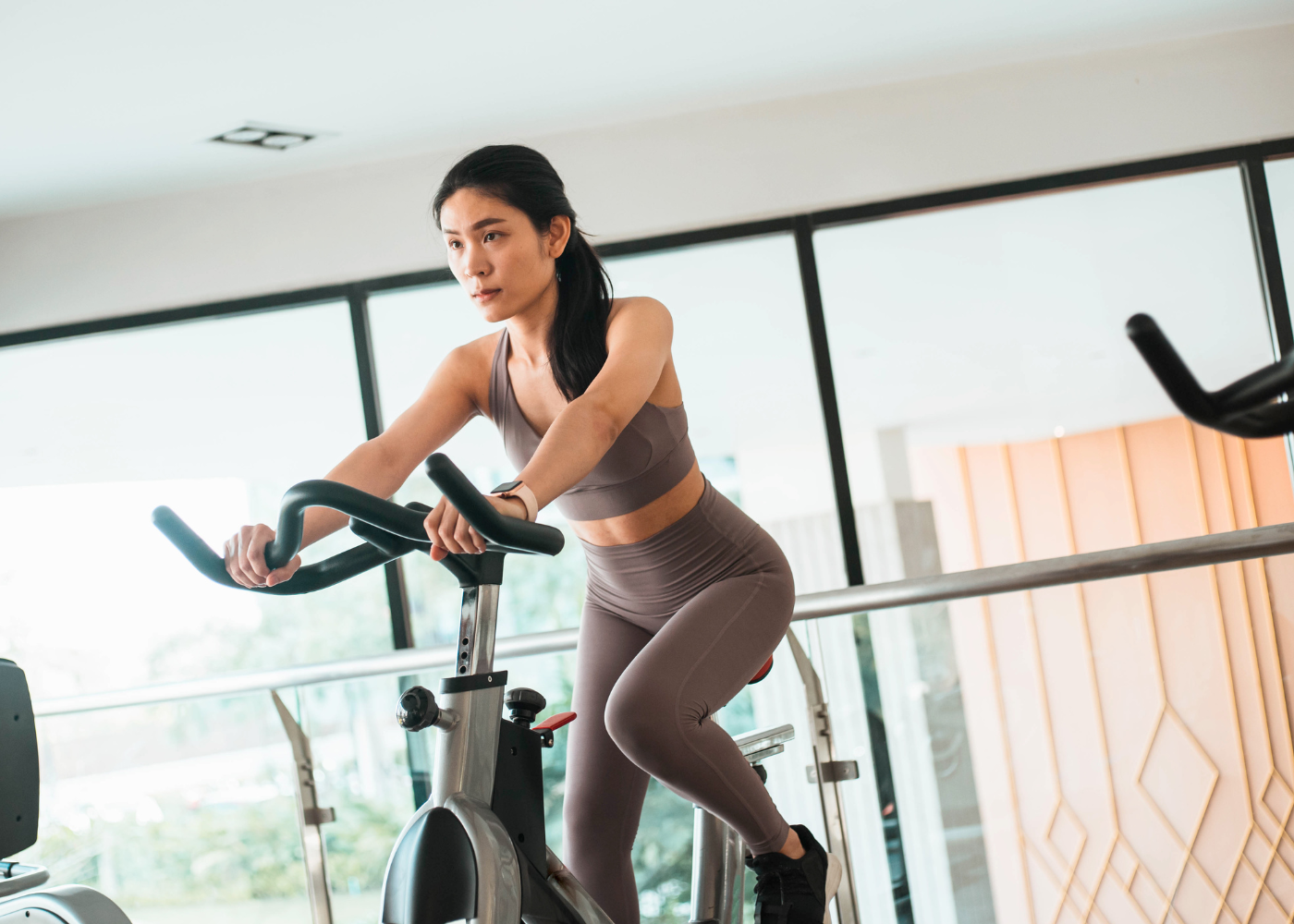
Most people join a gym for physical goals. They want to get stronger, leaner, fitter, or more consistent. What many do not expect is that the right class environment can also challenge the brain in powerful ways. When you learn new choreography, follow complex movement sequences, or adapt to unfamiliar training formats, you are not just exercising the body. You are training neuroplasticity, and this is one of the most underrated benefits of fitness classes singapore.
Neuroplasticity is the brain’s ability to adapt, reorganise, and strengthen neural pathways in response to learning and experience. It is one reason beginners improve quickly at new skills, and one reason variety matters so much in long-term training. A body that repeats the same routine may maintain fitness. A body and brain that keep learning can continue to develop coordination, reaction speed, confidence, and mental sharpness.
In practical terms, this means the moment you feel lost in a new class may be one of the most valuable moments for your brain.
Why “Feeling Clumsy” Can Be a Sign of Good Brain Training
Many people judge a class by how competent they feel in the first ten minutes. If they cannot follow the steps smoothly, they assume the class is not for them. In reality, that awkward phase is often where the best cognitive work is happening.
When you learn a new movement sequence, the brain has to process timing, direction, rhythm, posture, and effort all at once. It must connect sensory input with motor output rapidly. This activates systems involved in coordination, planning, error correction, and memory.
At first, this feels messy. You may miss a count, move the wrong arm, or freeze during a transition. That is normal. The brain is mapping new information. With repetition, those patterns become smoother, and the “clumsy” feeling begins to fade.
People who only do familiar workouts miss some of this neuroplastic benefit. They may still improve physically, but the cognitive load stays low. Adding even one class that challenges coordination can change that.
The Brain-Body Link Behind Group Fitness Learning
Movement learning is not just about muscles copying instructions. It involves multiple brain regions working together. The motor cortex helps plan and execute movement. The cerebellum supports timing and coordination. Sensory systems provide feedback about position and balance. Attention and memory systems help you track sequences and respond to cues.
This is part of why group classes can feel mentally stimulating. You are listening, watching, moving, adjusting, and remembering in real time. The best classes also create a kind of productive pressure, enough challenge to engage attention, but not so much that you shut down.
Physical activity itself also supports brain health in broader ways. Regular exercise is associated with improved blood flow, mood regulation, and changes in neurochemical signals linked to learning and resilience. In other words, movement creates an internal environment that helps the brain adapt.
This is one reason the gym can become more than a fitness venue. It can be a cognitive training space too.
Why Dance Fitness Is a Powerful Form of Brain Exercise
Dance-based formats are one of the clearest examples of neuroplastic training in action. They combine music, rhythm, sequencing, coordination, and social cues in a way that challenges both body and brain.
Even simple routines require:
-
Timing movement to a beat
-
Remembering the next pattern
-
Coordinating upper and lower body
-
Shifting direction in space
-
Adjusting to instructor cues on the fly
This is a high-value cognitive task disguised as fun exercise.
People often worry that they are “bad at dance” and avoid these classes. That may be exactly why they should try. If a style is unfamiliar, the brain has to build new connections instead of relying on old ones. This beginner effect is one of the strongest drivers of neuroplastic change.
You do not have to perform perfectly for the class to work. In many cases, struggling a little is part of the benefit.
Complex Strength and Athletic Classes Also Challenge the Brain
Neuroplasticity is not limited to dance. Athletic group formats, strength circuits, and combat-inspired classes can also create a strong cognitive load when they involve multi-step patterns, timing, and technical cues.
For example, a class may require you to remember a short combination, maintain form under fatigue, and react to tempo changes. That is physical and mental work happening together.
This type of training can improve more than just fitness output. Many people find that it sharpens focus, increases confidence in learning new skills, and makes them feel more mentally switched on after class.
It also changes the way they approach exercise. Instead of seeing every session as a test of endurance only, they begin to appreciate training as skill development.
That shift can improve long-term motivation because progress becomes more interesting.
The “Beginner’s Mind” Advantage
One of the best things a regular gym-goer can do for brain health is to periodically become a beginner again. That does not mean abandoning your strengths. It means stepping into a format where you cannot rely entirely on habit.
A strength-focused person trying a dance class, a cardio regular trying Pilates, or a yoga enthusiast trying a choreographed interval format all experience a similar benefit. The brain has to pay closer attention.
This attention is part of the magic. Familiar routines can be comforting, but they also allow the mind to drift. New classes demand presence. You must listen, observe, and adapt. That process strengthens learning capacity and keeps training mentally engaging.
Over time, people who embrace this approach often become more coachable, more resilient, and less self-conscious about not being perfect immediately. Those traits help both in and out of the gym.
Neuroplasticity and Age, Why It Matters Across the Lifespan
People sometimes speak about brain adaptation as if it only matters for older adults worried about decline. In reality, neuroplasticity matters at every age.
For younger adults, it supports skill acquisition, athletic coordination, and the ability to learn new physical tasks efficiently. For working professionals, it provides mental stimulation and a break from repetitive screen-based thinking. For older adults, it may support cognitive engagement, confidence, and movement coordination in a meaningful way.
No class can promise prevention of specific neurological conditions, and responsible writing should not make that claim. But it is fair to say that physically and mentally engaging movement is a positive input for long-term brain health.
What matters most is consistency and challenge level. The brain adapts when it is asked to learn, not when it is merely going through the motions.
Why Group Classes Often Work Better Than Solo Attempts for This Goal
Many people can do a repetitive cardio session alone. Fewer people will challenge their coordination, timing, and learning capacity consistently without structure. That is where group classes have an advantage.
The instructor provides cues. The music provides timing. The class format provides progression. The social environment creates accountability. All of this makes it easier to stay engaged long enough for learning to happen.
A broad schedule also matters. If a gym only offers one style of class, the cognitive variety is limited. But when members can rotate across dance, strength, mind-body, and athletic formats, they create richer learning experiences. This is where a class-focused environment such as True Fitness Singapore can support not just fitness progression, but mental freshness too.
How to Use Classes as Brain Training Without Getting Overwhelmed
If you want more cognitive benefit from your workouts, you do not need to turn every class into a mental test. A simple strategy works well.
Choose one or two “comfort” classes each week where you can build consistency and confidence. Then add one class that feels slightly outside your usual style. Let yourself be new. Expect mistakes. Focus on learning one or two patterns each session rather than mastering everything immediately.
It also helps to resist the urge to hide at the back and mentally check out when the class gets difficult. Stay engaged with the cues. Even if your body is a beat behind, your brain is still training.
The goal is not polished performance. The goal is adaptation.
FAQ
Q: I feel clumsy and cannot follow the choreography. Is the class still helping my brain?
A: Yes. In many cases, that clumsy feeling means your brain is actively learning and building new movement patterns. You do not need perfect performance to get the cognitive benefit. Staying engaged and trying to follow the sequence is already valuable.
Q: Are dance classes better for the brain than strength classes?
A: Dance classes often create a strong cognitive challenge because of rhythm and sequencing, but strength and athletic classes can also be excellent if they involve coordination, timing, and technical learning. The best option is usually a mix of formats that keeps your body and brain adapting.
Q: Can diverse fitness classes help reduce the risk of cognitive decline?
A: Physically and mentally engaging activity is generally considered beneficial for brain health, but no class can guarantee prevention of cognitive decline or dementia. It is best to view group fitness as one positive part of a healthy lifestyle that may support cognitive function and overall wellbeing.
Q: How quickly can the brain adapt to new movement skills?
A: Many people notice improvement within a few sessions as the brain starts recognising patterns and timing. More complex coordination skills can take weeks or months, depending on practice frequency and how unfamiliar the movement style is.
Q: Is it better to repeat one class until I master it, or keep trying new formats?
A: Both have value. Repetition helps build skill and confidence, while variety challenges neuroplasticity. A balanced approach usually works best, keep a few regular classes and add a new or less familiar format periodically.
Q: Does age make it too late to benefit from movement learning?
A: No. People can learn new movement skills at many stages of life. The pace may differ, but the brain remains adaptable. Consistent practice, patience, and appropriate class choice matter more than age alone.