

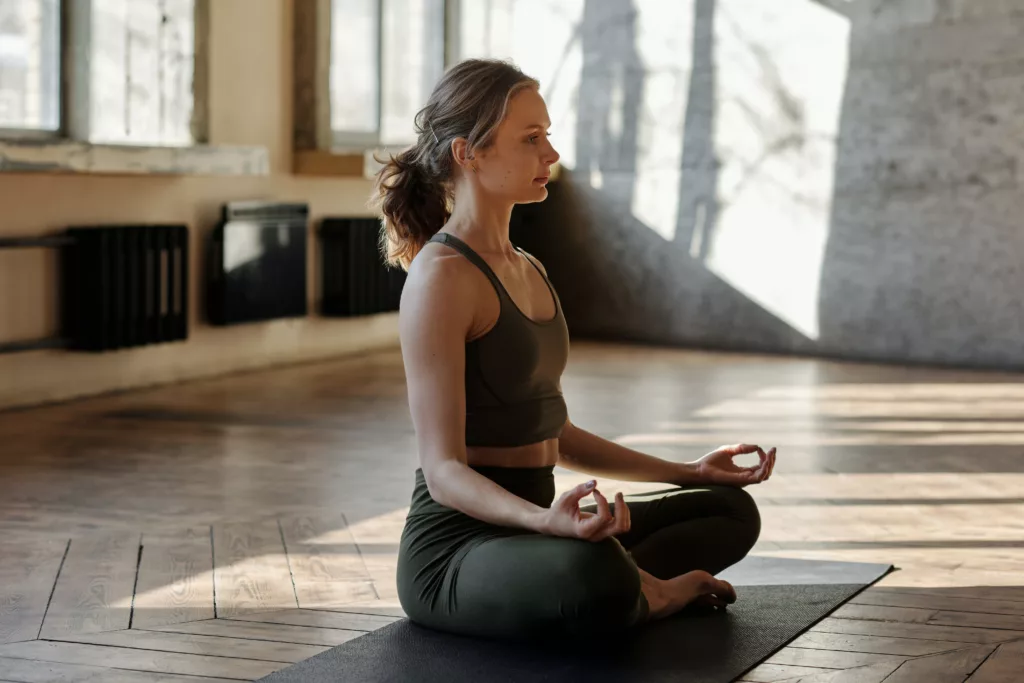
In the modern landscape of the twenty-first century, stress has transformed from an occasional survival mechanism into a chronic backdrop of daily life. The human nervous system, evolved to handle short-term physical threats like escaping a predator, now finds itself constantly stimulated by structural pressures. Ongoing work deadlines, financial obligations, digital notifications, and societal expectations place the body in a state of perpetual vigilance. Over time, this constant neurological load wears down physical health, drains emotional reserves, and degrades cognitive performance.
While it is impossible to completely eliminate external stressors from life, it is entirely possible to alter how the mind and body react to them. Meditation stands out as one of the most thoroughly researched and effective natural interventions for managing everyday stress. Far from being a mystical escape or a passive relaxation technique, meditation is a form of active mental conditioning. It systematically alters the architecture of the brain, down-regulates the body’s physiological stress response, and provides individuals with the psychological tools needed to navigate daily challenges with composure and clarity.
Deconstructing the Physiology of Everyday Stress
To appreciate how meditation mitigates stress, one must understand what happens inside the body when a stressor occurs. The moment the brain perceives a threat, whether it is a physical danger or an angry email from a supervisor, a small, almond-shaped structure called the amygdala sounds an alarm. This structure triggers the hypothalamic-pituitary-adrenal axis, initiating a cascade of neurochemical changes.
This cascade prompts the release of stress hormones, primarily adrenaline and cortisol, which prepare the body for fight or flight. The physiological consequences are immediate:
-
Heart rate accelerates: This pumps blood quickly to the large muscle groups.
-
Respiration becomes shallow and rapid: This maximizes oxygen intake.
-
Blood pressure rises: This occurs due to peripheral vascular constriction.
-
Non-essential systems shut down: Digestion, immune function, and reproductive processes slow down to conserve vital energy.
While this response is highly beneficial during a true physical emergency, staying in this state for extended periods is destructive. Chronic elevation of cortisol damages blood vessels, disrupts sleep cycles, impairs immune defense, and promotes fat storage around vital organs. Meditation serves as a conscious off-switch for this physiological alarm system, actively guiding the body out of survival mode and into a state of recovery.
Neurological Rewiring and the Relaxation Response
Neuroscientists utilizing functional magnetic resonance imaging have demonstrated that regular meditation practice drives neuroplasticity, which is the brain’s ability to structurally reorganize itself in response to experience. Meditation alters the physical layout of the brain in ways that directly lower our vulnerability to stress.
First, consistent meditation leads to a measurable decrease in the gray matter density of the amygdala. As the amygdala shrinks, it becomes less reactive to daily triggers, meaning things that used to provoke immediate anger or panic no longer trigger a severe emotional response. Second, meditation increases gray matter thickness in the prefrontal cortex, the area of the brain responsible for executive functioning, emotional regulation, decision-making, and logical reasoning. This structural shift strengthens the connection between the rational prefrontal cortex and the emotional amygdala, allowing the brain to quickly evaluate a stressor logically and turn off the alarm before it spins out of control.
Furthermore, meditation activates the parasympathetic nervous system, triggering what researchers call the relaxation response. This state is the direct physiological opposite of fight or flight. During meditation, your heart rate slows down, blood pressure stabilizes, muscles relax, and the body resumes normal digestive and immune maintenance. By regularly practicing this response, you train your body to recover from stressful events much faster, preventing acute daily tension from compounding into chronic health problems.
Practical Modalities for Modern Daily Life
One of the greatest benefits of meditation is its versatility. It requires no specialized equipment, expensive memberships, or specific belief systems. Several secular, scientifically validated styles can be seamlessly integrated into a busy schedule.
Mindfulness Meditation
Mindfulness involves paying deliberate attention to the present moment without passing judgment on whatever arises. During this practice, you typically sit quietly and focus your awareness on a specific anchor, such as the natural flow of your breath. When thoughts, worries, or distractions inevitably pull your mind away, you simply notice where the mind went and gently guide it back to the breath.
This simple act of noticing and returning trains the mind to step out of involuntary mental time travel, preventing the cycle of worrying about the future or regretting the past that drives so much daily anxiety.
The Body Scan Technique
The body scan is a deeply restorative practice centered on somatic awareness. You lie or sit comfortably and slowly systematically shift your focus through different areas of the body, starting at the toes and moving up to the crown of the head. As you tune into each region, you observe any physical sensations, such as tension, warmth, tingling, or tightness, and consciously invite those muscles to soften.
This approach helps break the subconscious loop where mental anxiety manifests as physical tightness, which then signals the brain to feel even more stressed.
Loving-Kindness Meditation
Known traditionally as Metta, this practice focuses on cultivating positive emotional states. You silently repeat specific, well-wishing phrases toward yourself, followed by loved ones, neutral acquaintances, and eventually all living beings.
Clinical studies show that this style of meditation reduces self-criticism, increases feelings of social connection, and dampens the social anxieties and interpersonal frictions that frequently trigger stress in modern workplaces and communities.
Shifting From Reactivity to Purposeful Response
Beyond modifying your immediate biology, meditation reshapes your overall relationship with your thoughts. Most people operate in a state of cognitive fusion, meaning they automatically believe every thought their brain produces and react to it as an absolute truth. If a stressful thought arises, such as a fear of failing a project, the body reacts as if that failure is happening right now.
Meditation creates a healthy psychological distance between the observer and the thought, a concept known as metacognitive awareness. Through practice, you learn to view thoughts not as objective facts, but as temporary mental events passing through awareness like clouds across a sky.
This gap gives you a crucial moment of choice when a stressful situation occurs. Instead of lashing out or panicking automatically, you can pause, take a deep breath, observe the rising tension objectively, and choose a calm, constructive response. This emotional resilience is the true foundation of long-term stress management.
Frequently Asked Questions
How does consistent meditation practice improve the quality of an individual’s nighttime sleep architecture?
Chronic daily stress keeps the nervous system hyper-aroused, preventing the body from entering the deep states of rest required for rejuvenation. Meditation lowers nighttime levels of circulating cortisol and adrenaline while encouraging the natural production of melatonin, the hormone responsible for regulating sleep-wake cycles. By reducing racing thoughts and calming physical tension before bed, meditation helps you fall asleep faster and increases the time spent in deep, slow-wave sleep and rapid eye movement stages.
Why do some individuals feel a sudden surge of anxiety or restlessness when they first attempt to meditate?
When a person drops their daily distractions and sits in complete silence for the first time, the conscious mind is suddenly exposed to a massive backlog of unprocessed thoughts, worries, and emotional tension. This phenomenon is completely normal and is often referred to as stress release or relaxation-induced anxiety. Rather than a sign of failure, it simply indicates that the mind is beginning to uncover and process the underlying tension it had previously ignored through constant busyness.
Can practicing meditation regularly help lower chronic physical pain flare-ups caused by inflammation?
Yes, meditation can alter the subjective experience and biological markers of chronic pain. Pain consists of both a physical sensation and an emotional reaction to that sensation. Meditation trains the brain to separate the raw sensory data of pain from the emotional suffering and panic that usually amplifies it. Furthermore, by down-regulating the sympathetic nervous system, meditation reduces the production of pro-inflammatory cytokines, calming the systemic inflammation that often triggers pain flares.
What is the ideal time of day to practice meditation to maximize emotional resilience throughout a workday?
While any time of day provides benefits, a morning meditation practice is highly effective for building career resilience. Meditating shortly after waking establishes a baseline of calm and mental clarity before you interact with external demands or digital messages. This early session serves as a psychological anchor, making you far less reactive to unexpected workplace disruptions, difficult conversations, or tight deadlines that occur later in the day.
How does the psychological concept of neuroplasticity explain why short, daily meditation sessions outperform long, sporadic ones?
Neuroplasticity operates on the principle of repetition and consistency. The brain strengthens neural pathways based on how frequently those circuits are activated, not just the total duration of a single event. A brief, ten-minute daily meditation session consistently reinforces the connections between the prefrontal cortex and the amygdala every twenty-four hours. Conversely, a long, two-hour session performed only once a month is too infrequent to create permanent structural changes, allowing the brain to slip back into its default stress patterns.
Why is relying on entertainment or media distractions vastly different from the physiological restoration provided by meditation?
Activities like watching television, playing video games, or scrolling through social media are passive distractions that temporarily divert your attention away from daily problems. However, these activities keep the brain stimulated with rapid visual and auditory inputs, which can maintain elevated dopamine and stress levels. Meditation requires you to consciously step away from all external inputs, forcing the brain to generate its own internal state of calm and allowing the nervous system to enter a true parasympathetic state of cellular repair.